
The Ketogenic Diet
“Our ancestors' diet wasn't a choice, it was a condition of survival. Today, choosing to survive is up to us.”
🔍 Short on time? Here's the bottom line
The ketogenic diet restores the human body’s natural fuel: fat, not sugar. This is the ancestral metabolism, stable, clean, and aligned with our physiology.
Ketosis is a natural energy state. When carbohydrate intake drops, the liver converts fats into ketones, a steady, powerful fuel for the brain, muscles, and every cell.
What throws metabolism off balance isn’t natural fat. It’s excess carbohydrates, repeated blood sugar spikes, and the resulting hormonal overload, driven by insulin.
Ketones deliver mental clarity, steady energy, focus, and emotional calm, without the sugar dependency.
Protein needs to be tuned correctly: moderate during the adaptation phase, then sufficient for repair, hormone production, muscle maintenance, and immune function.
Electrolytes (sodium, magnesium and potassium) are essential. They prevent the “keto flu” and keep the transition smooth.
The ketogenic diet isn’t an extreme protocol. It’s a return to human physiology: less sugar, more stable fats, a clearer mind, and a more balanced metabolic terrain.
Finding ketosis means finding your axis again: a stable body, a clear mind, a sovereignty that no longer wavers.
🎧 Version audio de la page
Page audio available only with the Premium membership
Explorer la page
SLAKE box – Where we stand on the ketogenic diet
The internet is full of nutrition advice, often contradictory, with everyone claiming to hold “the” truth. SLAKE doesn’t claim to possess absolute truth about food.
Our choice to center the ketogenic diet comes from a long journey: personal experimentation, clinical observation, feedback from many people, study of the scientific literature, and careful analysis, as far as possible, of the conflicts of interest behind official recommendations.
To date, it’s the approach that seems most consistent with our physiology and dietary history, and the most effective for restoring metabolic health when practiced properly. It may not suit everyone, and each person remains completely free to adapt it, question it, or reject it.
SLAKE has no ties to any major industry that would profit from this way of eating. A well-formulated ketogenic diet generates no profit for laboratories or manufacturers of ultra-processed foods. It serves above all the person who puts it into practice.
The studies cited on this site were chosen because they are consistent with this approach, while remaining imperfect, like all scientific work. The goal isn’t to “believe” what’s written here, but to understand, exercise discernment, and take responsibility for your choices. SLAKE offers a framework, information, and tools; the final decision always belongs to the reader.

An ancient story: from Hippocrates to 1921
Therapeutic fasting goes back to Hippocrates, who already documented its benefits for epilepsy. In 1921, Dr. Russell Wilder at the Mayo Clinic formalized the term “ketogenic diet” to replicate the effects of fasting while allowing sustained nutrition, rich in fat, low in carbohydrates. This way of eating has endured through time and is now being rediscovered as a powerful tool for metabolic restoration.
The foundations of the ketogenic diet
The ketogenic diet rests on a simple principle: changing the body’s primary fuel. Instead of running on glucose from carbohydrates, the body relearns to operate on ketones produced from fat. Three essential elements need to be understood: macronutrient distribution, the state of ketosis, and how to know you’re actually in it.
Macronutrient distribution
In a ketogenic framework, energy comes predominantly from fat, on average 70 to 75% of caloric intake, with a moderate share of protein (20 to 25%) and a very limited amount of carbohydrates (5 to 10%). These proportions aren’t rigid. They vary by person, by goal (weight loss, metabolic health, athletic performance), and by individual carbohydrate sensitivity. The point isn’t to calculate every gram, but to grasp the logic: restrict carbohydrates sharply enough to allow the body to shift into ketone-based metabolism.
What nutritional ketosis actually is
Ketosis is a natural metabolic state where the liver converts fat into ketones. These become the primary fuel for the brain and muscles, providing stable, sustained energy. Unlike glucose, which causes rapid spikes and crashes, ketones deliver constant mental clarity and endurance. Nutritional ketosis shouldn’t be confused with diabetic ketoacidosis, a rare and serious complication that mainly affects people with type 1 diabetes. Nutritional ketosis is a natural state humans experienced for most of the year, because their diet was naturally very low in carbohydrates.
How do you know you’re in ketosis?
Several methods exist: urine strips, breath analyzers, and blood meters. Each has its pros and cons. But beyond the numbers, the body sends clear signals: reduced hunger, more even energy, stable weight, better concentration. Once you’re well adapted to the ketogenic diet, these felt sensations are often the most reliable daily indicators.

How to get started
Adopting a ketogenic diet means beginning a profound transformation: moving from a sugar-dependent body to a free one, capable of using its own fat as stable fuel. This isn’t deprivation, it’s relearning. The transition demands preparation, self-compassion, and clarity.
Preparing the ground
Before you start, prepare both body and kitchen. You don’t enter ketosis without a solid foundation.
- – Reduce carbohydrates progressively: cut back on breads, pasta, rice, sweet fruits, cereals, and legumes.
- – Increase salt slightly: when insulin drops, the kidneys flush out more water and electrolytes.
- – Drink enough: about two liters of water per day, ideally mineralized.
- – Stock your kitchen and your reserves.
What to keep at home
Having the right foods on hand helps prevent a return to old habits, reduces uncertainty and makes the transition easier.
Healthy fats: butter, ghee (preferably homemade), beef fat, lard, duck fat (all three preferably artisanal or homemade), olive oil, coconut oil, macadamia oil (all three cold-pressed, of the best quality and freshness available).
Proteins: fresh eggs and hard-boiled eggs (always keep some ready to calm cravings), fatty meats, poultry, organ meats, fatty fish, seafood, artisanal dry bacon without added sugars.
Low-carb vegetables: all cabbages (white cabbage, cauliflower, broccoli, kale, kohlrabi), zucchini, spinach, fennel, turnips, endives. Cabbages are a precious staple, they replace rice, potatoes, or pasta.
Complementary products: bone broth, herbs, spices, apple cider vinegar, lemon, mustard, ketogenic mayonnaise, pure cacao.
Compatible sweeteners: allulose (the closest to sugar, available on iHerb), pure stevia, monk fruit. Erythritol is best avoided if you have a fragile intestinal terrain.
Compatible flours and fibers: almond flour, coconut flour, oat fiber, bamboo fiber, psyllium, lupin flour.
Nuts: almonds, pecans, Brazil nuts. Almonds can be soaked to reduce certain anti-nutrients, but keep consumption moderate if you have a sensitive gut.
Berries: strawberries, raspberries, blueberries, blackberries, in small quantities.
One thing to remember: a healthy ketogenic diet depends on the quality of fats. Margarines and industrial oils have no place here. Better to wait until you have the right products than to start with oxidized fats.
Not everything is forbidden, everything is a matter of quantity. A square of 80% dark chocolate, about ten grams, delivers less than three grams of carbohydrates and can fit in most of the time. Taking it with a spoonful of MCT oil or a little ghee helps buffer the glycemic response and maintain ketosis. Measured pleasure is part of balance. The exact amount of carbohydrates you can tolerate always depends on your individual terrain, insulin sensitivity, and liver state.

Freeing yourself from sugar
Sugar dependence is real, biological and emotional. Withdrawal can be gentle or rough, depending on the person. Some experience only slight brain fog; others face palpitations, insomnia, or waves of weakness. This isn’t personal weakness. It’s the body deprogramming itself.
People with strong dependence need to anticipate this period. The body demands its drug and pushes you to grab anything edible. That’s when you need a high-fat backup plan: almonds, pecans or macadamias, cheese, bacon, hard-boiled eggs, avocado slices, a keto cake, or fat bombs made with cacao and coconut oil, prepared in advance. Every time the body demands its sugar fix, respond with fat. You’re teaching it its original fuel again. But don’t stay in deprivation, that only breeds frustration.
Cravings subside quickly, but they can return later, sometimes months afterward, like nostalgia for an old habit. Learn to recognize them and stay prepared: slices of cake or fat bombs in the freezer, a keto bread, a hard-boiled egg, and the storm passes.
The adaptation phase
The first few days, often referred to as the “keto flu”, generally last three to ten days. You might feel fatigue, headaches, emotional instability. These symptoms come mainly from a drop in sodium and water loss. Many people feel nothing at all if they increase salt enough and drink sufficiently.
Bone broth is a major ally: it rehydrates, remineralizes, and supports the intestinal mucosa. MCT oil can help you enter ketosis faster and stabilize energy.
When ketosis settles in, you often feel a distinctive energy: clarity, lightness, sometimes even a gentle euphoria. That’s the sign your brain is running on ketones.
Electrolytes
Ketosis increases water and mineral elimination. You need to compensate consciously.
Sodium is the most important: grey salt, broth, olives, smoked salmon.
Potassium is found in avocados, green vegetables, and fish.
Magnesium comes mainly from bone broth, avocados, fatty fish, seafood, seaweeds, macadamia nuts, and, to a lesser extent, cacao. You can also supplement with highly absorbable forms (glycinate or malate) that effectively support relaxation and sleep quality.
An electrolyte imbalance is one of the main causes of discomfort or abandonment of the diet. Correcting it is often enough to make the transition smooth.
Frequent mistakes
Eating too little fat
Eating too little fat: without enough fat, the body stays in a mixed mode where it uses protein to produce glucose instead of fully entering ketone metabolism.
Eating too little or too much protein
Eating too little or too much protein: during the adaptation phase, a too-high protein intake can, in people who are still insulin-resistant, further stimulate gluconeogenesis and slow entry into ketosis. This effect is transient and depends on the terrain. Once the metabolism is adapted to fat, gluconeogenesis becomes regulated: the body produces only the glucose needed by the tissues that require it. In this stabilized phase, protein no longer hinders ketosis and becomes essential for tissue repair, hormone support, muscle preservation, and metabolic flexibility. The key is adjusting intake to the state of your terrain: moderate during adaptation, sufficient afterward to support repair and stability.
Fearing salt
Fearing salt: on a carbohydrate-rich diet, high insulin retains sodium in the kidneys, which can cause water retention. But when you switch to a ketogenic diet, insulin production drops and the body naturally eliminates more water and minerals. In people still in insulin resistance, this regulation happens more slowly, hence sometimes persistent fatigue or cramps. Moderately increasing salt then helps maintain electrolyte balance and supports adaptation without risk of retention.
Neglecting hydration
Neglecting hydration: ketosis naturally increases water loss. As insulin drops, it releases stored sodium and the kidneys eliminate more fluid. Drinking too little dries out the terrain, concentrates the blood, and accentuates fatigue, headaches, or cramps. This elimination must be compensated: about two liters of mineralized water per day, more on hot or active days. Hydration isn’t a detail, it supports the kidneys, muscles, blood pressure, and mental clarity.
Getting discouraged during the adaptation phase
Getting discouraged during the adaptation phase: the first days are a phase of metabolic re-education, not a punishment. The body is unlearning sugar and reactivating fat burning, that requires energy. You may feel tired, irritable, or disoriented. It’s a temporary passage, not a failure. Each cell is rediscovering its memory: that of functioning from fat. Patience and understanding of this process make all the difference between giving up and succeeding.
Wanting to control everything
Wanting to control everything: ketosis isn’t a performance race or an obsession with numbers. Measuring, weighing, or testing constantly creates stress and cuts you off from listening to your body. Ketone metabolism is alive, it establishes itself through adjustment, not rigidity. The goal isn’t to master a protocol, but to learn to feel your energy, your satiety, your inner stability.

Patience and realignment
The ketogenic diet isn’t a magic wand. It’s a process of profound realignment.
At the start, weight loss is often rapid, sometimes spectacular. But it’s not fat yet, it’s water. Each gram of glycogen stored in the liver and muscles retains three to four grams of water. When those reserves are depleted, that water is eliminated, which can create the illusion of lightning-fast slimming.
Then the body enters an adjustment phase. Some people continue with progressive, stable fat loss. Others, on the contrary, regain weight or eat more. This isn’t failure, it’s a real need of the body. It may be seeking carbohydrates because it doesn’t yet know how to use fat and is still dependent on sugar. Respond with an intake of healthy fats. It may also demand more energy, more fat, more protein to repair, balance hormones, and rebuild tissues. As long as your intake is healthy and compatible with ketosis, listen to it.
Regulation happens according to each person’s terrain. In people with good metabolic health, adaptation is rapid. In those starting from a disturbed terrain, inflammation, stress, hyperinsulinemia, congested liver, the process can take several months, sometimes one to two years. But it’s always progress: at each step, the body functions a little better, energy returns, blood sugar stabilizes, and symptoms lighten.
The liver may continue for a time to produce more glucose through gluconeogenesis. This isn’t an error, it’s an intelligent adaptive response. The body uses the glucose it produces for what needs it (like red blood cells or part of the brain) and ketones for everything else. This isn’t a yo-yo between two fuels. It’s an inner adjustment, a well-regulated endogenous flexibility.
Progression happens in stages. Periods of stability alternate with moments when the body releases, repairs, or demands more. Nothing is linear. But each step brings tangible improvement: more clarity, vitality, stability, strength.
The body needs time. Patience isn’t waiting, it’s active trust in the body’s intelligence. And it’s also an invitation to savor each progress, because even slowly, everything always improves.
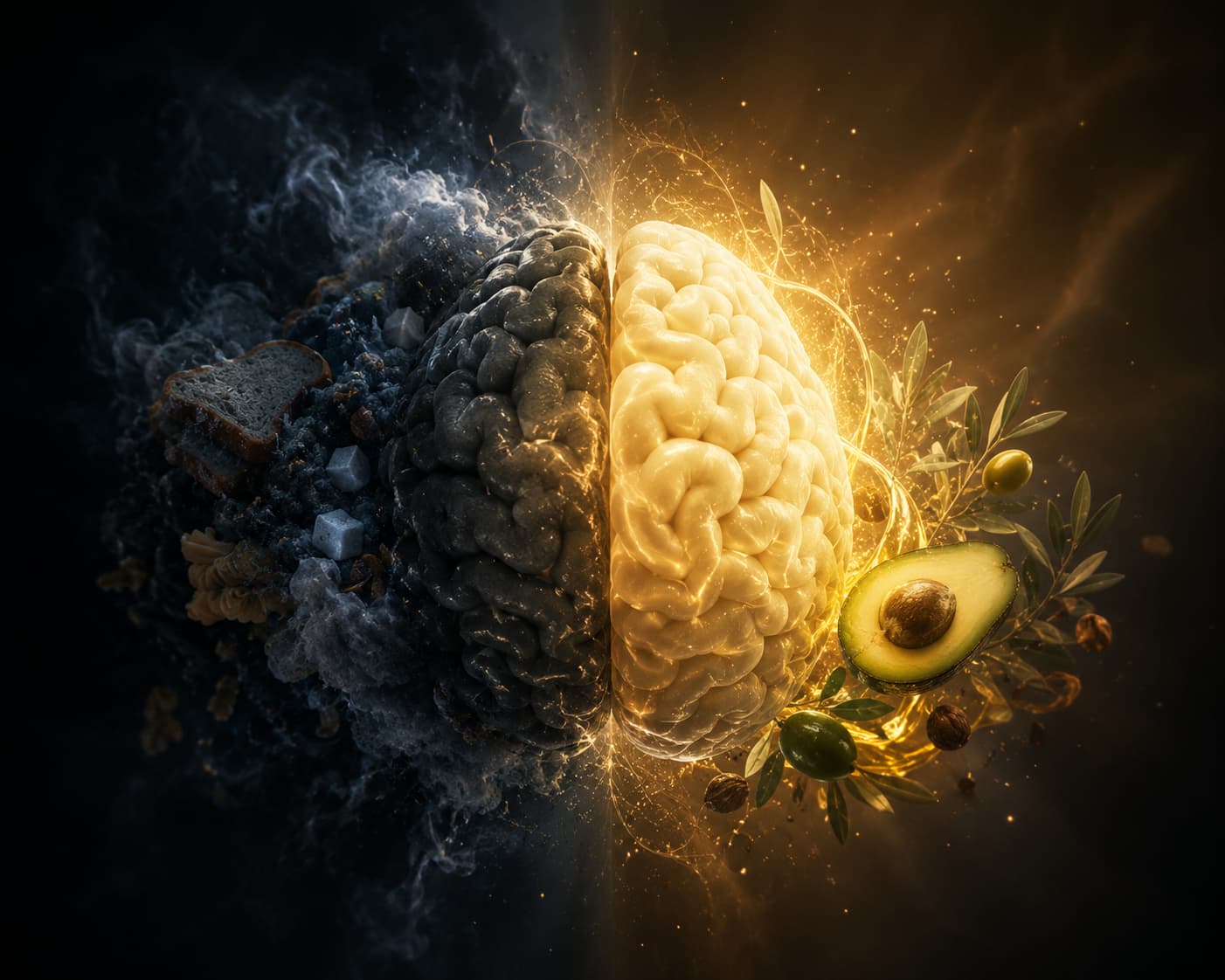
The benefits of the ketogenic diet
The ketogenic diet isn’t limited to weight loss. By profoundly modifying metabolism, reducing carbohydrates, and restoring fat to its natural role as fuel, the body rediscovers a more stable, more enduring, and more coherent way of functioning.
Many people report new mental clarity, more constant energy, reduced chronic pain, and better emotional balance. A growing number of studies confirm these observations and show that ketosis acts directly on the brain, inflammation, hormones, and cellular metabolism.
These benefits touch several dimensions: concentration and memory, calming of inflammation, hormonal rebalancing, weight stabilization, cardiovascular protection, and support of cellular longevity. Each terrain reacts according to its history, but the direction is always the same: a return toward more stability, vitality, and sovereignty.
Myths and misconceptions
The brain needs glucose
The brain needs glucose
You often hear that the brain can only function on glucose. That’s partly false. In ketosis, the brain can obtain most of its energy from ketones, up to 60 to 70% of its needs, which the liver produces from fat. The rest is covered by gluconeogenesis, an internal process that produces the necessary glucose from protein and glycerol, without ever causing a glycemic spike. No dietary sugar intake is therefore necessary: the body manages its own production itself, in a stable and continuous way.
Unlike glucose, which causes rapid spikes and crashes, ketones ensure regular energy, without the energy rollercoasters responsible for fatigue, irritability, or lack of concentration.
Studies show that ketosis improves mental clarity, memory, and concentration. It’s even used in therapeutic protocols for neurological conditions like Alzheimer’s, Parkinson’s, or drug-resistant epilepsy. The brain doesn’t need sugar, it needs stable energy, and ketones provide it better than glucose.
Cholesterol clogs the arteries
Cholesterol clogs the arteries
Cholesterol is often presented as public enemy number one for cardiovascular health. Yet cholesterol isn’t a poison, it’s a molecule essential to life. It is a structural component of cell membranes, serves as a precursor to steroid hormones (cortisol, testosterone, estrogens, progesterone), and participates in the production of vitamin D and bile salts. Without cholesterol, the body couldn’t function.
The problem doesn’t come from cholesterol itself, but from chronic inflammation and oxidation of LDL particles. When arterial walls are inflamed, the immune system attempts to repair the lesions by sending cholesterol to the site. It’s not cholesterol that creates the problem, it’s inflammation that calls it. Accusing cholesterol of clogging the arteries is like accusing firefighters of having started the fire.
The ketogenic diet reduces inflammation, stabilizes blood sugar, and improves the lipid profile. In many cases, it increases HDL (the “good” cholesterol), reduces triglycerides, and transforms LDL particles into larger, less oxidizable forms, therefore less dangerous. Studies show that ketosis protects the heart, not the reverse.
The ketogenic diet strains the kidneys
The ketogenic diet strains the kidneys
You often hear that the ketogenic diet, because of its protein intake, strains or damages the kidneys. This is a confusion between two different things: a moderate protein intake within a well-conducted ketogenic diet, and an excessive protein intake in the context of pre-existing kidney disease.
In a person with healthy kidneys, the ketogenic diet poses no problem. Protein is moderate (20 to 25% of caloric intake), and the body uses it to repair tissues, support hormones, and preserve muscle mass. The kidneys filter these intakes normally, without difficulty.
On the other hand, in a person with advanced kidney failure, any protein intake must be monitored, whether it comes from a ketogenic diet or not. But it’s not ketosis that creates the problem, it’s the pre-existing kidney pathology that imposes adjustments.
Available studies show no degradation of kidney function in healthy people following a ketogenic diet. On the contrary, ketosis reduces inflammation, stabilizes blood sugar, and protects blood vessels, which supports long-term kidney health.
It's impossible to maintain
It's impossible to maintain
This idea often comes from a confusion about what the ketogenic diet really requires. The level of rigor depends on the goal. For certain therapeutic contexts, resistant epilepsy, certain metabolic diseases, targeted weight loss protocols, or marked insulin resistance, a high and stable ketone level is necessary, and dietary flexibility is then more limited. But once metabolic health is restored, or for simple maintenance, that’s no longer the subject: you can very well live with lower ketones, which fluctuate naturally according to physical activity and the meals of the day. It’s precisely there that real dietary diversity opens up.
What’s difficult, therefore, isn’t ketosis itself, it’s the change of habits at the start. We’ve been taught to think that sugar and starches were indispensable, when they’re not. The real challenge is daring to step out of dietary conditioning and accepting to cook differently.
Once this stage is behind you, you discover an immense culinary diversity: sauces, breads, desserts, revisited traditional dishes, everything can be reinvented, with all the greater freedom as the goal is no longer therapeutic but maintenance. The body adapts quickly, but the mind resists. We are creatures of habit: we seek comfort, ease, immediate gratification. Yet changing your diet requires a conscious effort, an inner decision.
Today, society values speed and the immediate solution: a medication, a surgery, an injection, but rarely personal responsibility. Returning to conscious eating is precisely that: reclaiming sovereignty over what you put on your plate, over your energy, over your health.
Ketogenesis: the return to the original fire
Ketogenesis is the process by which the liver converts fat into ketones. It’s not a modern invention, but an ancestral mechanism embedded in human physiology for millennia.
Our ancestors didn’t consume carbohydrates continuously as we do today. Carbohydrate sources, wild berries, a few fruits, certain tubers, were only available sporadically, according to the seasons, and in far smaller quantities than in our current diet. The rest of the time, the diet rested above all on animal fats and proteins. The body learned to adapt: when carbohydrates were lacking, which was the norm for most of the year, it naturally switched into ketosis to use stored fat as fuel.
This alternation wasn’t a constraint, but a strength. It allowed the body to remain flexible, enduring, and resilient. Ketogenesis is that inner fire you rekindle when you cease to depend on sugar. It’s the return to a stable, clean metabolism, coherent with our history.
Today, in a world of permanent abundance and omnipresent carbohydrates, this mechanism is forgotten. But it’s still there, ready to reactivate. Returning to ketosis is rediscovering that original fire, that stable energy that doesn’t waver, that clarity that doesn’t extinguish.
Medical disclaimer
The information presented on this page has an educational purpose and in no way replaces personalized medical advice. Before modifying your diet, especially if you suffer from a chronic pathology, take medications, or are pregnant, consult a qualified health professional. The ketogenic diet may require medical adjustments, particularly for diabetic people under treatment or those with advanced kidney failure. Each terrain is unique, and the responsibility for dietary choices belongs to you.
Sources and references for this page (click to expand)
History
- Wheless JW. History of the ketogenic diet. Epilepsia. 2008.
- Auvin S. A century of history for the ketogenic diet. 2021.
Foundations / metabolism
- Cahill GF Jr. Fuel metabolism in starvation. 2006.
Myth 1 — The brain needs glucose
- Cunnane S et al. Ketones / brain glucose aging & Alzheimer's. 2011.
- Jensen NJ et al. Ketone bodies & brain metabolism. 2020.
- Ketogenic diet in Parkinson's disease: a potential therapeutic strategy. Pharmacological Reports. 2025.
Myth 2 — Cholesterol clogs the arteries
- Luo W et al. Ketogenic diet & CVD risk factors — meta-analysis RCTs. 2024.
- Effect of a low-carbohydrate, ketogenic diet program compared to a low-fat diet on fasting lipoprotein subclasses.
- The Impact of Ketogenic Capacity on Lipid Profile in Individuals with Prediabetes or Newly Diagnosed Type 2 Diabetes. 2025.
Myth 3 — The ketogenic diet strains the kidneys
- Athinarayanan et al. Ketogenic therapy & CKD. 2024.
- Impact of low-carbohydrate diet on renal function — meta-analysis, 1000+ individuals.
- Willis et al. The case for a ketogenic diet in the management of kidney disease. 2024.
General benefits / weight
- Choi YJ et al. Ketogenic diet metabolic parameters — meta-analysis RCTs. 2020.
- Gardner CD et al. A TO Z Weight Loss Study. JAMA. 2007.