
Meat & Eggs: The Vital Foundation of Human Nutrition
“Flesh nourishes more than any other food.”
Hippocrate
🔍 No time to read everything? Here’s the summary of this page:
• From the beginning, meat and eggs are the vital foundation of human nutrition: they supply every essential nutrient the body needs to live, regenerate, and think clearly.
• Animal foods contain complete proteins, B12, heme iron, active vitamin A, D3, K2, zinc, copper, selenium, choline, taurine, carnosine, creatine, and collagen. No plant food provides this full set.
• Traditional peoples (Inuit, Maasai, Mongols…) lived almost exclusively on animal foods without ever suffering deficiencies or degenerative disease.
• Plant equivalence is an illusion: you would need to eat several kilos of plant foods a day to approach the intakes of a normal animal ration — at the cost of a massive surplus of carbohydrates.
• Plant-based deficiencies (B12, iron, A, K2, EPA/DHA, etc.) lead to fatigue, anemia, hormonal disruption, premature aging, depression, and lowered immunity.
• Eggs, concentrates of life, provide all the fat-soluble vitamins, the essential amino acids, and the cholesterol needed for hormones and vitality. Eating them daily is beneficial and safe.
• Cholesterol is not an enemy, but an ally: it protects cells, supports the brain, and stabilizes the hormonal system.
✨ Living on quality animal foods means feeding life, clarity, and sovereignty.
🎧 Audio version of the page
Audio of the page available only with a Premium membership
Explore the page
Since the Dawn of Time: Flesh as the Foundation of Life
Since the dawn of time, humans have lived on meat and eggs. The earliest images of our humanity, painted deep in caves, do not show people gathering fruit or digging roots, but hunting scenes. Game is central there, because it meant survival, strength, and the continuity of the community.
Across the ages, blood and flesh have long symbolized strength and vitality. Hunter-gatherer peoples built their strength on animal protein and fat, long before agriculture rose. Far from a cultural preference, meat was — and remains — a vital foundation, written into the very nature of our bodies.
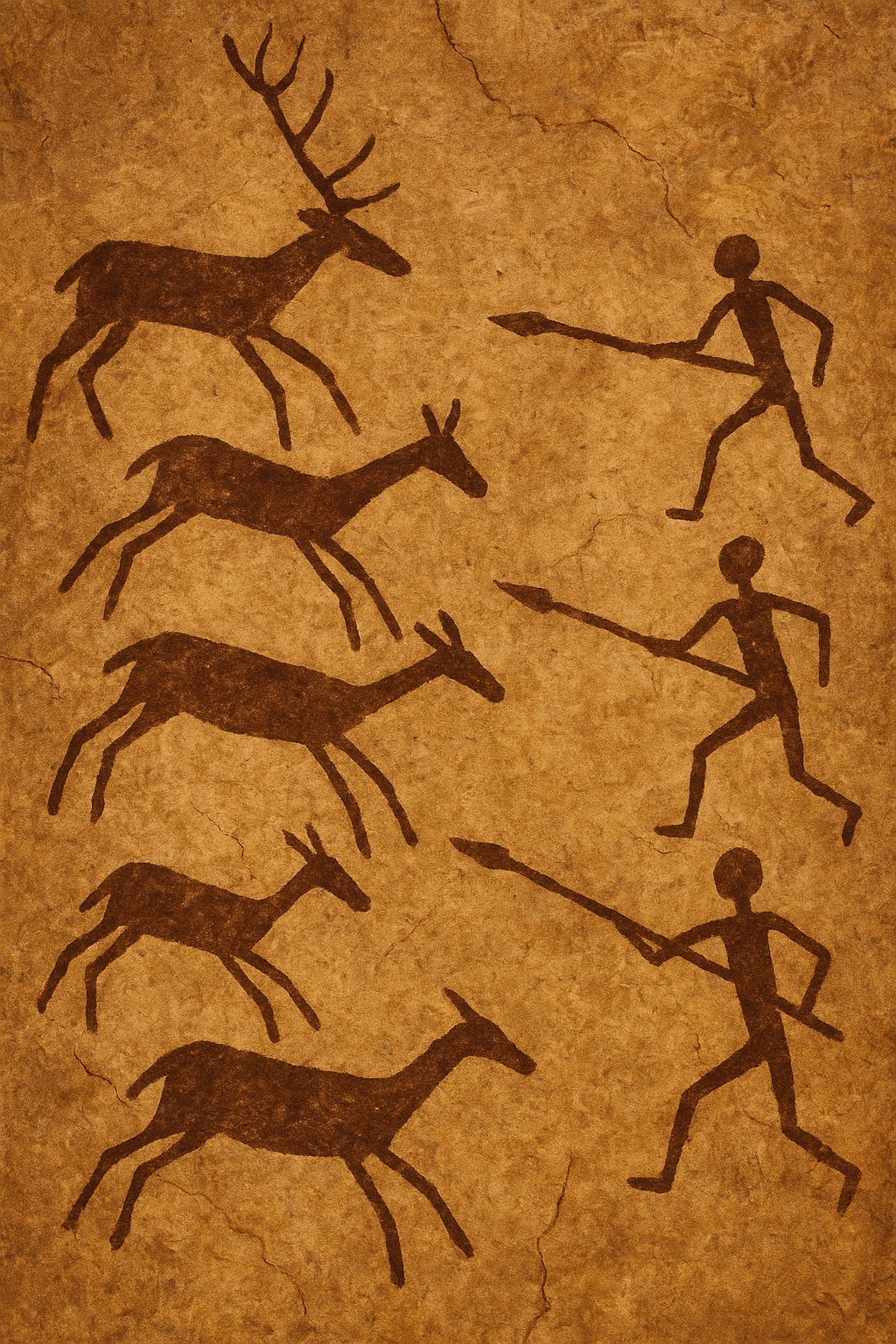
If hunting and meat were central to the survival of ancient peoples, it was no accident: meat provides nutrients no other food can replace. Vitamin B12, heme iron, essential amino acids, structural fatty acids, cholesterol, and many indispensable cofactors are found almost exclusively in animal foods. Cutting out meat and eggs therefore means exposing yourself to deficiencies that, sooner or later, weaken the body: chronic fatigue, loss of muscle mass, depression, infertility, autoimmune disease. Far from being one option among others, these foods constitute a vital foundation that the supplement industry can only imitate artificially.
This reality is not only historical or theoretical; it still holds today among many peoples who have kept a traditional way of life.
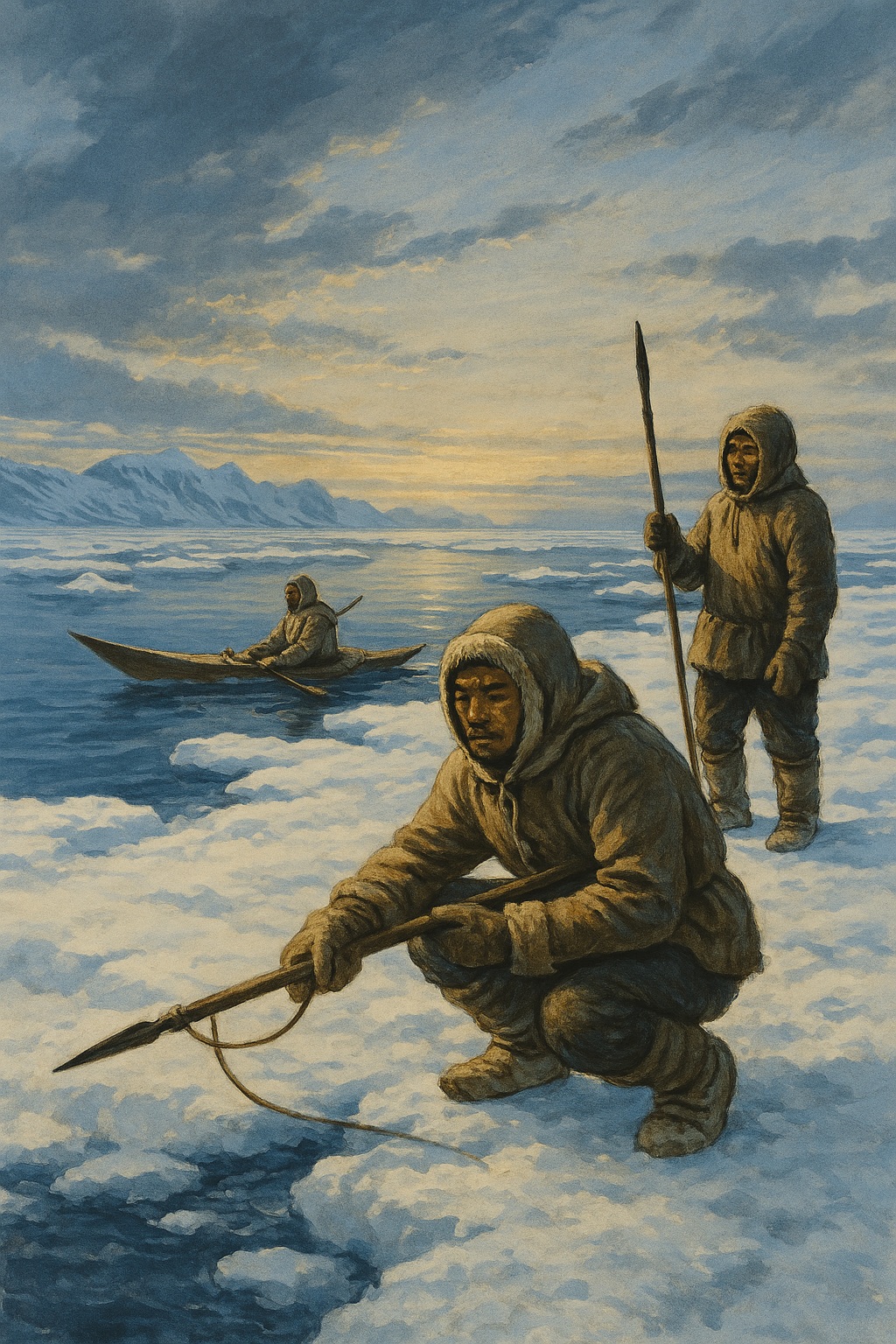
In the Far North, the Inuit have always survived almost exclusively thanks to meat, fish, and animal fat. Without these dense, vital foods, living in such an extreme climate would be impossible.
In Mongolia and the steppes of Central Asia, agriculture is nearly impossible. Nomadic peoples rely on livestock herding: horses, yaks, sheep, goats, camels. Their diet rests on meat, milk, butter, and cheese, which supply all the energy and nutrients they need.
In East Africa, the Maasai inhabit savannah zones where farming remains difficult and unreliable. Their legendary robustness rests on the products of their herds: meat, milk, and blood, which make up the bulk of their diet.
The same logic appears in the Amazon: tribes that once relied on hunting and fishing experienced a severe decline in health when deforestation, water pollution, and the disappearance of game reduced their animal resources. When animal foods were replaced by cassava and corn, their diet no longer supplied the nutrients needed for good health.
These examples, from Arctic ice to tropical forests, from steppes to savannahs, show a universal truth: wherever humans survived and thrived, it was thanks to animal foods.
Meat and organs: the whole animal, not just the muscle
Our ancestors were not content to eat only the muscle, as we do today. They ate the animal in its entirety: the flesh, but also the organs, the marrow, the blood, and sometimes even the skin. And it is precisely the organs that concentrate the essential nutrients: the liver holds active vitamin A, highly assimilable iron, copper, zinc, and even vitamin C. The kidneys supply selenium and B vitamins in abundance. Brain and marrow are rich in structural fatty acids indispensable to the nervous system.
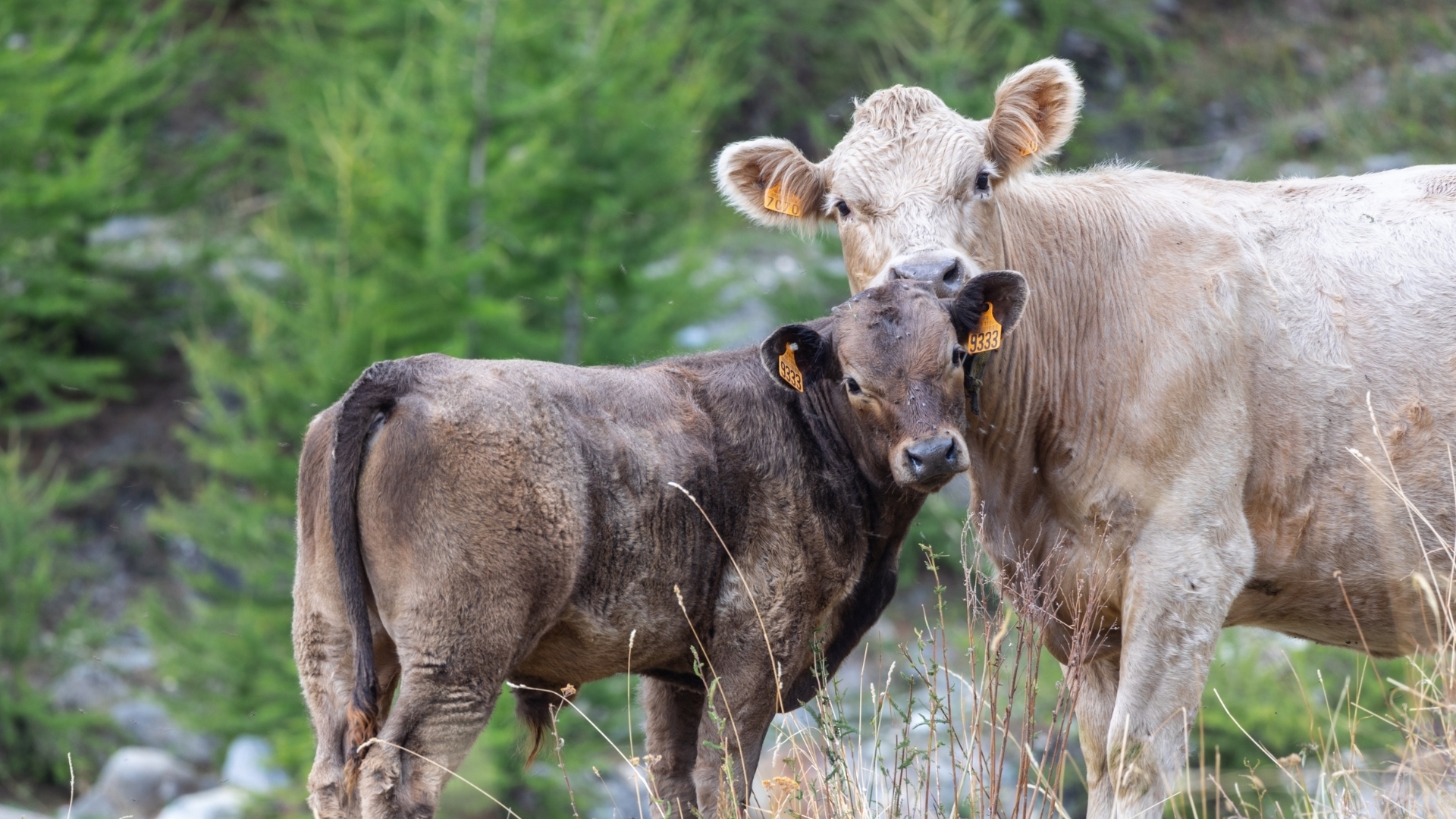
This whole-animal way of eating explained why traditional peoples needed no supplements or tonics: nature had already provided the full nutritional spectrum, concentrated in the parts of the animal we have abandoned.
Moreover, the quality of meat depends directly on what the animal eats. A grass-fed ruminant produces meat rich in omega-3, balanced and anti-inflammatory. The same animal fed mainly on grain will generally produce meat that is poorer in omega-3 and proportionally richer in omega-6, with a less favorable lipid profile. So it is not merely “eating meat” that matters, but choosing quality meat from ethical, respectful farms that feed animals according to their true nature.
That is why, if you want to grasp the real value of animal nutrition, you have to look beyond the simple steak. Organs — the liver above all — concentrate a nutritional richness no plant can match. Rich in active vitamin A, vitamin B12, heme iron, copper, zinc, and even vitamin C, liver alone illustrates the extraordinary density of animal foods. But that density is not measured only in raw figures: it is measured above all in bioavailability. Unlike plant nutrients often trapped by antinutrients (phytates, oxalates, lectins), those in liver and organs are directly assimilable and immediately usable by the body.
To put this into perspective, look concretely at what 100 grams of liver bring to the body, and compare that with how much fruit, vegetables, or grains you would need to reach the same nutritional value — without forgetting the loss of assimilation caused by antinutrients.
Comparison: 100 g of Beef Liver vs. Plant Foods
For the sake of fairness, for each nutrient we chose the richest plant food among commonly consumed foods. The third column shows how much plant food you would need to eat to obtain the same quantity actually absorbed as that supplied by 100 g of beef liver.
🔎 Note: Even the best plant protein sources, such as soy, show a less favorable amino-acid profile, with one or more limiting amino acids, as well as digestibility that is generally lower than that of animal proteins.
Vitamin B12
Iron
Vitamin A (active retinol)
Vitamin C
Zinc
Proteins
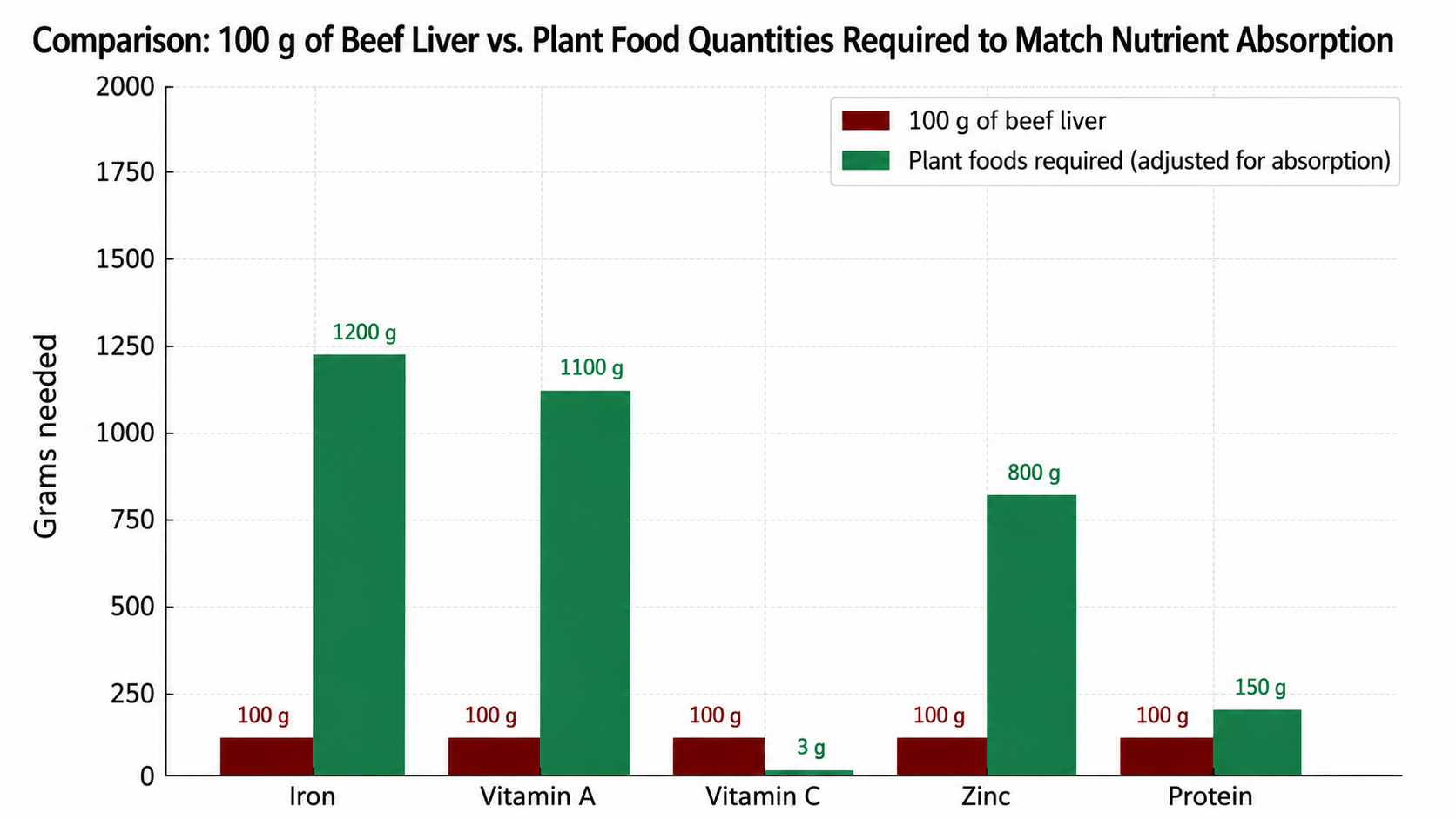
Method notes (compact): plant foods given cooked (favorable case). Liver is shown raw for orders of magnitude; when cooked, A/B12/iron/zinc/proteins remain very high (C decreases), but liver’s advantage remains massive.
Matching It with Plant Foods: A Practical Illusion
Comparing 100 g of liver with plant foods is not merely a question of raw protein. Liver concentrates at once complete proteins, B12, retinol, heme iron, zinc, and many other nutrients. To truly match it, you would need to reach all these intakes simultaneously — not protein alone.
Proteins = essential amino acids
A protein is not a uniform block: it is an assembly of amino acids (AA). To build its proteins efficiently, the body needs the nine essential amino acids in suitable proportions. It has a small temporary amino-acid pool, but when one amino acid is too low, it becomes limiting and reduces the use of all the others.
Animal proteins: all essential AA, ideal proportions, high digestibility.
Plant proteins: often limited by one AA (grains low in lysine, legumes low in methionine). You need to vary and combine several plant sources across several meals close together, and generally eat more of them to offset their less favorable profile and reduced digestibility.
Soaking, cooking, fermentation: useful but insufficient
These processes partly reduce antinutrients (phytates, lectins, protease inhibitors) and improve digestibility. But they do not erase the problem: non-heme iron remains poorly absorbed, zinc remains hindered, and the amino-acid profile remains less favorable.
The Practical Bottom Line
Comparing 100 g of beef liver with plant foods is like comparing a complete library to a few scattered pages.
Even combining the best plant foods — spinach, carrots, lentils, soy, citrus — none concentrates alone every essential nutrient, neither in the same active forms, nor with the same bioavailability.
In theory, if you add up the amounts needed for each isolated nutrient (iron, vitamin A, C, zinc, proteins…), you reach more than 4 kg of cooked plant foods, or 10 to 12 kg raw.
But in reality, some of these nutrients partly overlap across foods:
– spinach also supplies a little vitamin A, C, zinc, and protein;
– lentils contain iron, zinc, and protein;
– soy supplies amino acids, iron, and zinc;
– carrots and citrus also contribute several minor intakes.
Accounting for these overlaps, the realistic total drops to about 1.5 to 2 kg of cooked plant foods to approach the overall nutritional richness of 100 g of beef liver.
But even that volume remains unable to match the density and nutritional synergy of liver:
vitamins B12 and K2-MK4, taurine, creatine, carnosine, choline, and long-chain omega-3s (EPA/DHA) are entirely absent.
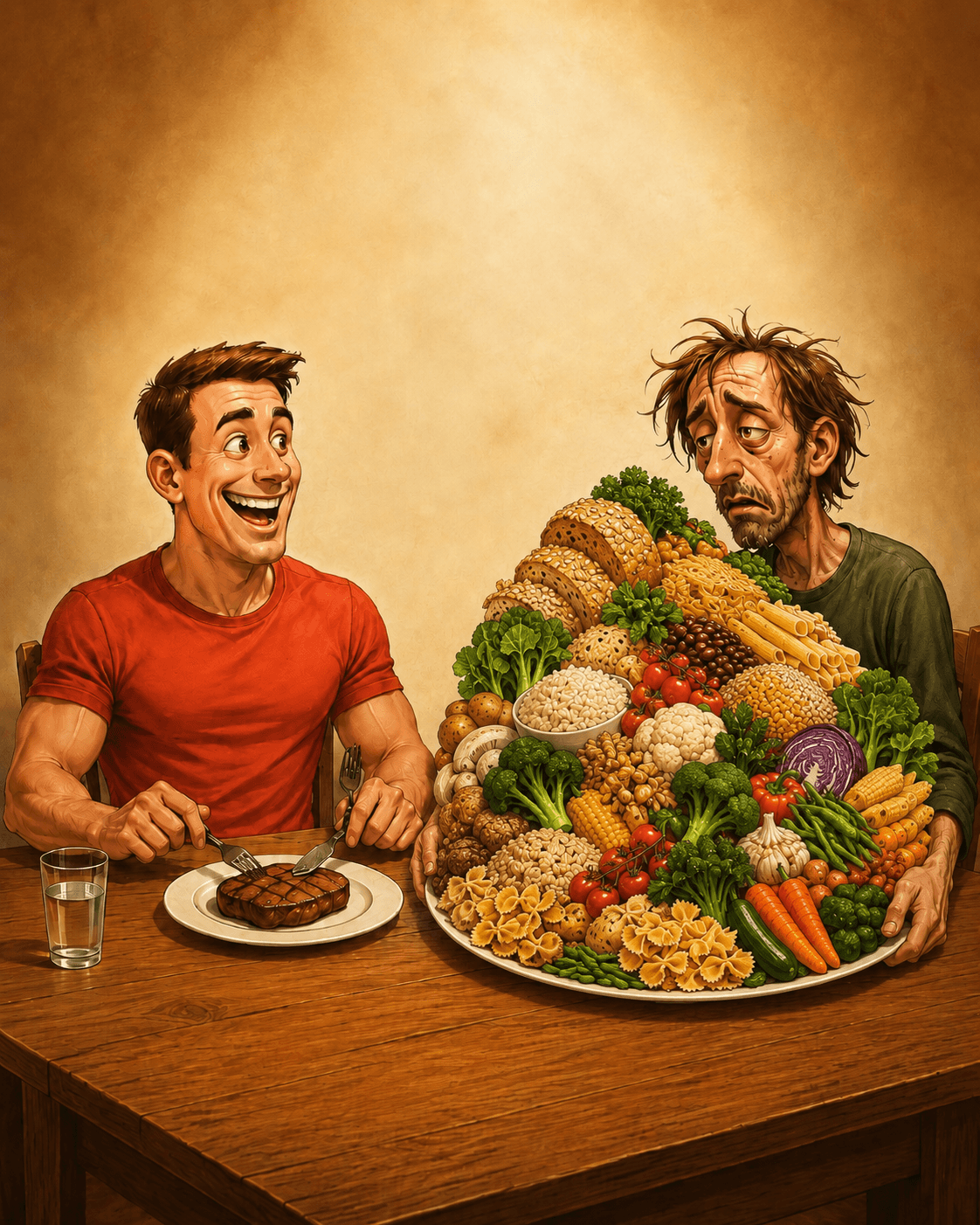
A human being has real needs for protein, fats, and essential micronutrients. For a 75-kilo man, that corresponds to about 11 to 14 kilos of cooked animal foods per month, and for a 55-kilo woman, 8 to 10 kilos. But this is not only muscle meat: an optimal split includes about 70% meat, 15 to 20% varied organ meats (liver in measured amounts, but also heart, kidneys, tongue, and other organs) and 5 to 10% eggs. In concrete terms, that means for a man about 9 kilos of meat, 2 kilos of organ meats, and 1 kilo of eggs (about 18 to 20 eggs a month depending on their size), and for a woman about 6.5 kilos of meat, 1.5 kilos of organ meats, and 1 kilo of eggs. With this kind of distribution, every need is covered: complete, highly assimilable proteins, essential amino acids, vitamins A, B12, D, and K2, heme iron, zinc, copper, selenium, long-chain omega-3s (EPA and DHA), choline, taurine, carnosine, creatine, and collagen.
If you tried to replace these intakes with plant foods, the volumes would be out of proportion. By comparison, for a man that means about 90 to 120 kilos of cooked spinach (250 to 350 kilos raw) for iron, 130 to 180 kilos of carrots for vitamin A, 90 to 120 kilos of lentils for zinc, and 18 to 22 kilos of cooked soy for protein — not even counting nutrients entirely absent from the plant world. For a woman, the figures run between 65 and 85 kilos of cooked spinach, 90 to 130 kilos of carrots, 65 to 85 kilos of lentils, and 13 to 16 kilos of cooked soy. Altogether, that is between 200 and 350 kilos of plant foods per month, or 7 to 12 kilos a day.
As for omega-3s, the question perfectly illustrates the flexibility of human nutrition. In coastal or island regions, intakes came mainly from fish and seafood. In continental regions, they came from the meat of grass-fed herbivores, organ meats, and above all the brain and marrow of hunted animals, which are rich in DHA. Today, meat from grain-fed livestock is far poorer in omega-3, which fuels modern deficits — but our continental ancestors did not have this problem: they ate the whole animal and always found their balance.
Do animal foods cover all our needs?
The answer is yes — provided we mean a complete animal diet, not one limited to muscle. From the beginning, traditional peoples ate the animal in its entirety: meat, fats, blood, organ meats, marrow, brain, skin, eggs, and depending on the region, fish and seafood. It is this approach that guarantees full coverage of our needs.
Animal foods provide all the essential amino acids in a highly assimilable form. They also supply the vital fats, including cholesterol — indispensable as the precursor of steroid hormones, vitamin D, and bile acids. Contrary to what we have been told for decades, cholesterol is not an enemy: it is central to human health, and only the animal kingdom supplies it.
On the vitamin side, animal foods supply the full set of critical ones: B12, totally absent from plants; vitamin A directly as retinol (active, unlike plant carotenoids); D3; K2 in its MK-4 form (essential for bone strength and artery protection); as well as all the other B vitamins. Even vitamin C, often thought reserved for fruit, is present in liver and certain organ meats. Moreover, when the diet is low in carbohydrates and rich in animal fats, needs for vitamin C drop sharply, because glucose no longer competes with it in metabolism.
On the mineral side, animal foods provide heme iron (4 to 10 times better absorbed than plant iron), zinc, selenium, copper, and even iodine. The Inuit, without sun and without plants, found all their vitamin D and iodine in marine mammals. The Mongols and Tibetans, far from the sea, obtained their iodine through their herds: pastures passed iodine to the animals, and eating their organs (notably the thyroid, liver, and blood) was enough to prevent any deficiency. Contrary to modern assumptions, these peoples suffered neither from rickets nor from goiter.
Finally, animal foods contain valuable bioactive compounds absent from the plant world: taurine, carnosine, creatine, hydroxyproline (collagen) — valuable for muscular energy, the brain, cellular protection, and tissue repair. Historically, societies that lived almost exclusively on animal foods — Inuit, Maasai, Mongols, steppe peoples — showed a robustness and a near-absence of degenerative disease that struck Western observers. Today, even these peoples are no longer spared certain deficiencies: increased pollution, depleted soils and pastures, scarcer game and herds, and the loss of dietary diversity now affect all of humanity, including populations once best nourished by their natural environment. This observation does not contradict the value of animal foods: on the contrary, it recalls that the quality and integrity of the ecosystem they come from condition their nutritional richness.
Do plant foods cover all of human needs?
The answer is no. Plants supply fiber, vitamin C, and certain minerals, but they do not cover every vital need. Even mixing grains, legumes, fruit, vegetables, seeds, and nuts, several essential nutrients remain impossible to obtain naturally: B12, retinol (active vitamin A), vitamin K2 MK-4, and the active omega-3s EPA and DHA. Added to these are valuable bioactive compounds absent from plants: taurine, carnosine, creatine, and collagen. This whole set is provided by the animal kingdom.
Moreover, nutrients that do exist in plants are often far less assimilable: non-heme iron is absorbed at only 3–5% (versus 20–25% for animal iron), zinc is blocked by phytates, calcium by oxalates, and plant proteins are incomplete, often deficient in one or more essential amino acids.
In the short term, a plant-based diet can seem to work, because the body draws on its reserves. But over the long term, the deficits become visible: anemia, hair loss, hormonal disruption, bone fragility, lowered immunity, infertility, depression, neurodegenerative disease. These are silent deficiencies — invisible at first, yet settling in year after year.
Finally, you have to count the inevitable excesses: trying to compensate for missing proteins, vitamins, and minerals would require eating “300 kg of plant foods per month, or 8 to 12 kg/day” to match 500 g/day of meat/organs/eggs. This is obviously a theoretical equivalence that shows the impossibility of replacing, nutrient by nutrient, what meat and organ meats supply. Nobody eats that. In real life, to “get by” without animal foods, people fall back on dense, sugar-rich plant foods (legumes, grains, tubers, root vegetables) to obtain protein and calories. That produces a heavy carbohydrate load (often 200 to 400 g/day depending on choices and amounts), while essential nutrients remain uncovered: B12, retinol (active vitamin A), heme iron, K2, EPA/DHA, taurine, carnosine, creatine. Because most people no longer eat the whole animal — organs included — stores (liver, muscle) run low; on a vegetarian/vegan diet, the combination “lots of carbohydrates + persistent deficiencies” is even more marked. Expected result: unstable blood sugar, hyperinsulinism, low-grade inflammation; over the long term, fatigue, anemia, hormonal disruption, diabetes, cardiovascular disease, autonomic and metabolic disorders. In other words, volumetric equivalence is impossible; the real “adaptation” turns into a highly carbohydrate diet that does not match meat and organ meats nutritionally.
Eggs: life in concentrated form
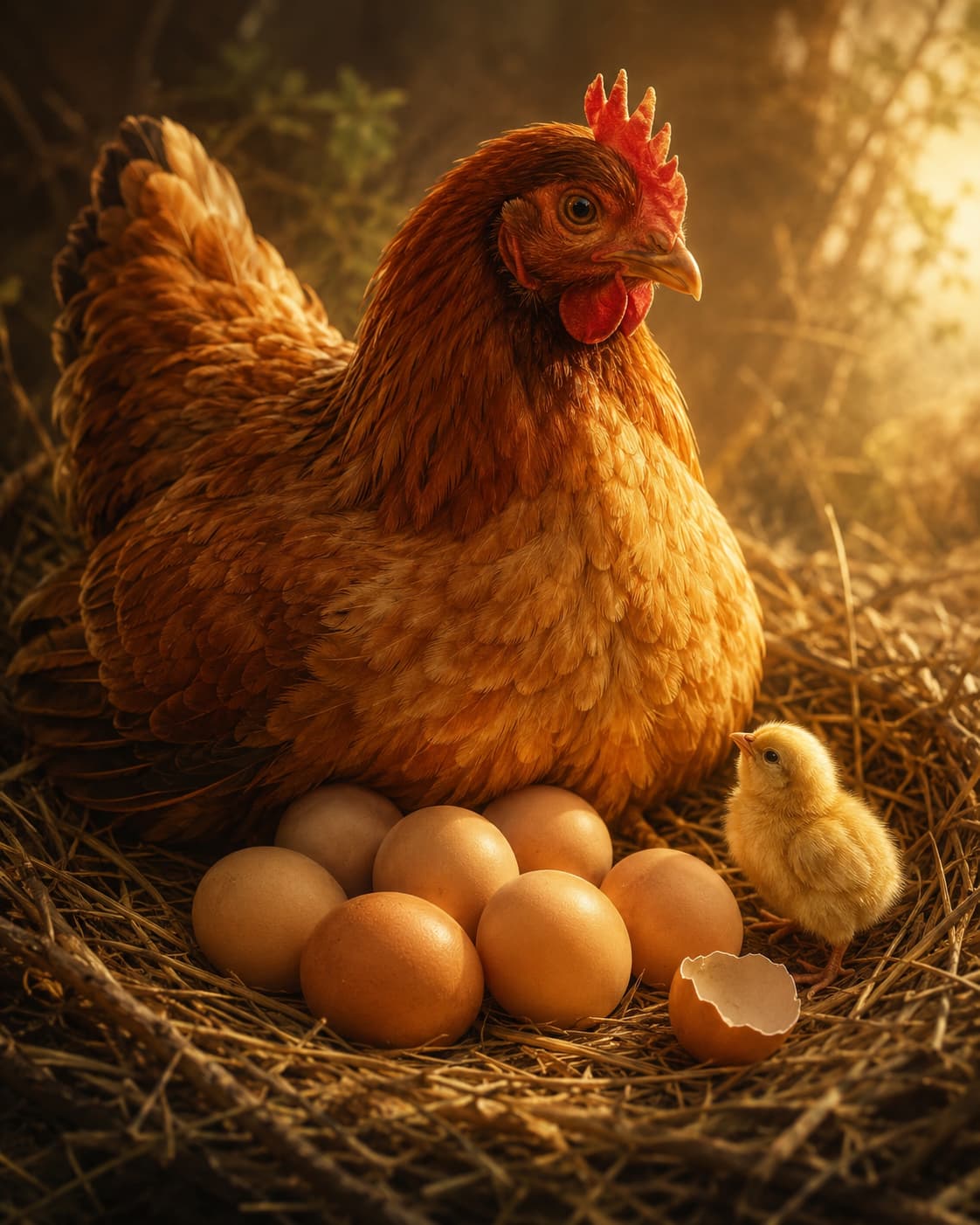
The egg is a miracle of nature. It contains everything needed to bring forth a complete living being: proteins, fats, minerals, vitamins, enzymes, and antioxidants. It is one of the most complete foods there is — a true concentrate of life and regeneration.
A single egg supplies all nine essential amino acids in a highly bioavailable form. It also provides stable, nourishing fats, indispensable for hormonal balance and brain health. Its natural cholesterol, unjustly demonized, is in reality vital: it serves as raw material for hormone production, vitamin D synthesis, and cell-membrane repair.
The yolk concentrates the fat-soluble vitamins A, D, E, and K2 — this last being essential for bone strength and artery protection. It also contains vitamin B12, absent from plants, as well as choline, indispensable for proper brain function, memory, and the liver. Eggs are also rich in lutein and zeaxanthin, two powerful antioxidants that protect the eyes and the nervous system, as well as iron, zinc, selenium, and copper.
Their fatty-acid profile depends on how the hens are raised. Eggs from hens fed on grass, insects, or flaxseed show a natural balance of omega-3 and omega-6. By contrast, industrial eggs from animals fed corn or soy are richer in oxidized omega-6, pro-inflammatory for the body.
For half a century, eggs were accused of raising blood cholesterol and promoting cardiovascular disease. Recent research has completely disproven that idea. Dietary cholesterol has very little influence on blood cholesterol levels, because the body regulates its own production. If it receives more through food, it makes less; if it receives less, it produces more.
Major studies worldwide have shown that eating one to three eggs a day does nothing to raise cardiovascular risk in healthy people. In many people, egg consumption can raise HDL and favor a higher average size of LDL particles. Small dense LDL, frequently associated with hypertriglyceridemia and insulin resistance, are more readily oxidizable and present a less favorable profile. Larger LDL particles are generally less sensitive to oxidation, without being entirely harmless. Cholesterol in eggs also contributes to cell-membrane structure and serves as a precursor to steroid hormones, bile acids, and vitamin D.
Current data show there is no strict limit on egg consumption. For a healthy adult, it is perfectly possible to eat them every day, even several per meal. Two to four eggs a day suit most people, and needs may be higher for those with an active life or going through a regenerative phase. A four-egg omelette, soft-boiled or scrambled eggs in the morning make a complete, nourishing, balanced meal that delivers lasting satiety and greater glycemic stability.
The egg embodies completeness. It symbolizes potential life, unity, and perfection. In a conscious diet, it links the power of the animal kingdom to the promise of regeneration in living beings. Everything nature designed to form a complete organism is found in a single egg: it is a microcosm of life. Ancient civilizations understood this well. In many traditions, the egg represents the birth of the world — and on both the biological and the spiritual plane, it remains one of the purest symbols of life yet to unfold.
Egg cholesterol is therefore not an enemy, but an ally. The egg provides all the essential amino acids, all the fat-soluble vitamins, and quality fats. It is a complete, balanced food, perfectly suited to the human being. You can eat it every day, without fear, as a natural source of strength, clarity, and vitality.
The inevitable deficiencies without animal foods
Even today, nutrient deficiencies are widespread among people who still eat meat: we no longer eat enough organ meats, and modern meat is far less rich than it once was. But among people who exclude animal foods entirely, deficiencies become inevitable — and far more severe.
The first deficiencies involve vitamin B12, iron, zinc, and active vitamin A: they lead to chronic fatigue, anemia, neurological disorders, and a drop in immunity. Add to that collagen deficiency, plus deficits in carnosine and creatine, which accelerate muscle wasting, skin aging, and cognitive decline. In parallel, a carbohydrate-rich diet drives chronic hyperglycemia, insulin resistance, and low-grade inflammation.
That is why you sometimes see among strict vegans or vegetarians a marked thinness, a prematurely aged appearance, drawn features, and deep fatigue. Over the long term, if these deficiencies are not offset by supplements, they can lead to more serious disease: irreversible neurological disorders, osteoporosis, infertility, depression, metabolic and cardiovascular disease.
👉 Without animal foods, or quality dietary supplements, deficiencies are inevitable. The body can survive for a time, but never thrive.
Sources and references of the article (click to expand)
- [Nutrition Data: Liver] USDA FoodData Central — Beef, variety meats and by-products, liver, raw (FDC ID 169451)
- [Iron Absorption] Dietary Iron — StatPearls / NCBI Bookshelf
- [Iron Absorption] Prediction of dietary iron absorption (Hallberg & Hulthén, 2000)
- [Vitamin B12] Vitamin B12 sources and bioavailability (Watanabe, 2007)
- [Vitamin A / Retinol] Variability in conversion of beta-carotene to vitamin A in men (Hickenbottom et al., 2002)
- [Protein Quality] FAO Expert Consultation — Dietary protein quality evaluation in human nutrition (DIAAS), 2013
- [Eggs & Cardiovascular Risk] Egg consumption and CVD risk: US cohorts + meta-analysis (Drouin-Chartier et al., BMJ 2020)
- [Eggs & Cardiovascular Risk] Egg consumption and cardiovascular risk: dose–response meta-analysis (Godos et al., 2020)
- [Animal Bioactive Compounds] Dietary taurine, creatine, carnosine, anserine and 4-hydroxyproline (Wu, 2020)
- [Vitamin K2 (MK-4)] Vitamin K contents of meat, dairy, and fast food in the U.S. diet (Elder et al., 2006)
- [Traditional Peoples] Traditional Maasai Dietary Practices and Their Inapplicability to Modern Carnivore Diets (Goldman et al., 2025)
To complete this picture of animal nutrition and understand the nuances at play with milk and its proteins, continue to the section on dairy products.
Want to go further and access full analyses, practical guides, and exclusive content? Join the Premium space.